


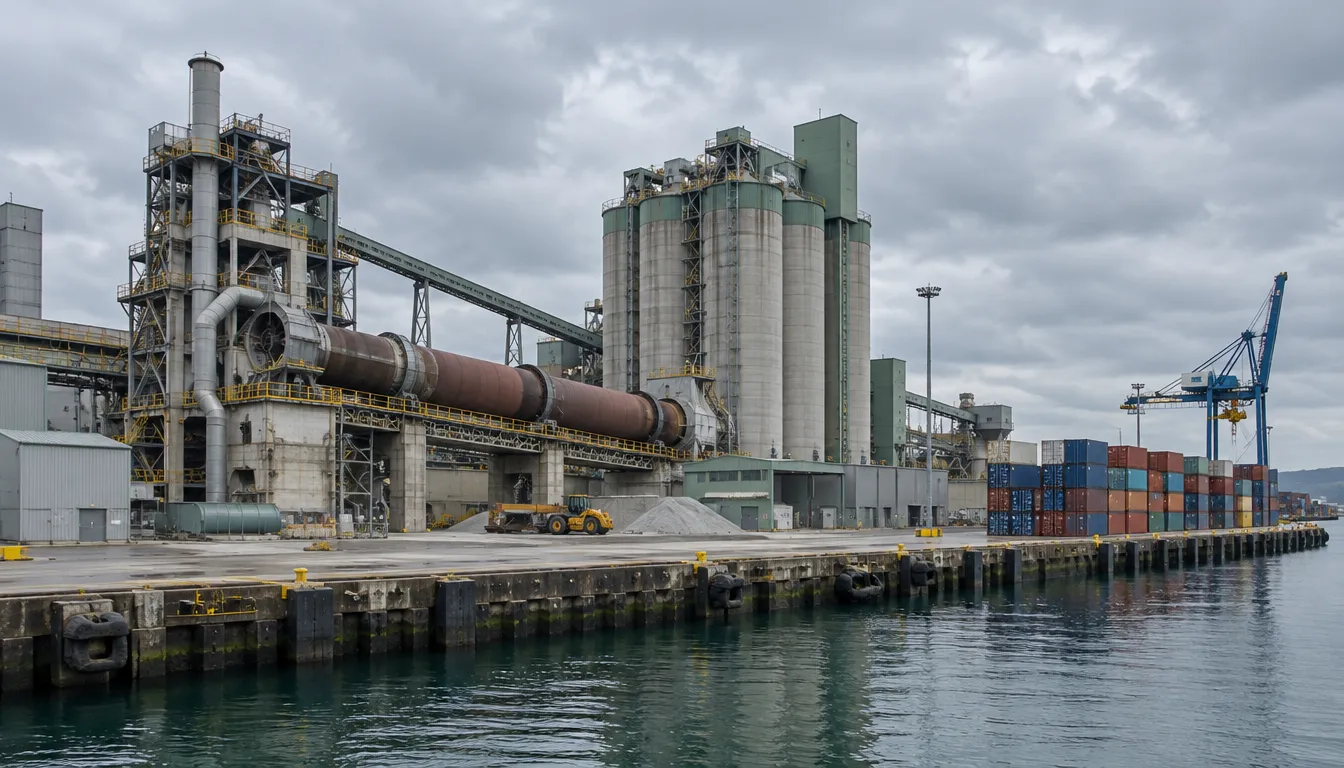
Isometric has launched Ready for CBAM, a service that helps exporters in six sectors prepare plant-level CBAM emissions reporting, combining carbon accounting specialists with an AI platform that checks data before verification.
Isometric, an industrial certification provider, has launched Ready for CBAM. The service helps exporters to the European Union prepare their CBAM emissions reporting for independent verification. It pairs carbon accounting specialists with an AI platform that checks uploaded data. It covers all six sectors under the EU Carbon Border Adjustment Mechanism (CBAM): cement, iron and steel, aluminium, fertilisers, hydrogen and electricity.
The service arrives as CBAM moves from reporting to payment. The mechanism was adopted in 2023 and, according to the European Commission, entered its definitive phase on 1 January 2026. It aims to equalise carbon costs between EU products covered by the EU Emissions Trading System and comparable imports. Importers must buy CBAM certificates for the emissions embedded in their goods. Accurate CBAM emissions reporting by the producer therefore sets the size of the bill.
Those emissions come from verified actual data or from EU default values. Default values carry a mark-up, which the Commission sets at 10% in 2026, 20% in 2027 and 30% from 2028. Fertilisers carry a lower 1% mark-up from 2026. The Commission has also issued amended default emissions values. Exporters without verified data face rising costs.
Deadlines for the first declarations
EU importers must file their first annual CBAM declarations, covering 2026 imports, by 30 September 2027. They must surrender the matching certificates at the same time. Errors in the data can trigger additional review rounds. That puts pressure on the quality of the first submissions.
Exporters sit at the start of that chain. A cement or steel plant outside the EU must supply the data its EU customers need. CBAM emissions reporting at plant level therefore decides whether an importer pays on verified figures or on default values plus a mark-up.
Isometric’s specialists help each exporter prepare a monitoring plan and an emissions report for every plant. The AI platform flags data issues as files are uploaded. The specialists then review each submission against EU requirements. The service continues through verification, and the team helps exporters respond to findings raised by the verifier. Isometric does not carry out the formal verification itself.
Lukas May, Isometric’s Chief Commercial Officer, said exporters are going into their first CBAM verification with “very little guidance”. The service aims to close that gap before data reaches an accredited verifier. Preparation counts most at plant level. There, the monitoring plan defines which data a verifier will check.
Cement exporters are an early test
Turkish producer Cementir is already using the service. Alberto Canale, performance director at Cementir, said the platform simplified the process of demonstrating the embodied emissions of cement supplied to the EU.
Argus calculations published earlier this year show how much verified data can change the bill. For Turkish cement reporting 0.82 tonnes of CO2 per tonne, the estimated CBAM cost is about €15 per tonne. Under the default value, it would be almost €83 per tonne. That is more than five times the verified-data figure. The estimates used the EU ETS price at the time and are not fixed charges. Verified data could therefore cut an exporter’s CBAM exposure substantially.
The launch follows Isometric’s $50 million Series A round, which the Intercontinental Exchange joined in September. The company is extending its AI certification platform beyond carbon markets. The new areas include emissions, energy, fuels and materials. In September it also opened a low carbon cement protocol for consultation.
Isometric places a certification specialist between exporters and accredited verifiers. The service targets the preparation stage and leaves formal verification to those verifiers. Done well, CBAM emissions reporting at this stage reduces rework later.
Pricing for Ready for CBAM was not disclosed. For exporters in the six covered sectors, the practical test is whether pre-verification checks cut the number of review rounds. The first declarations fall due in September 2027. CBAM emissions reporting is becoming a standing operational task for plant managers. It also remains a compliance exercise for importers.
