


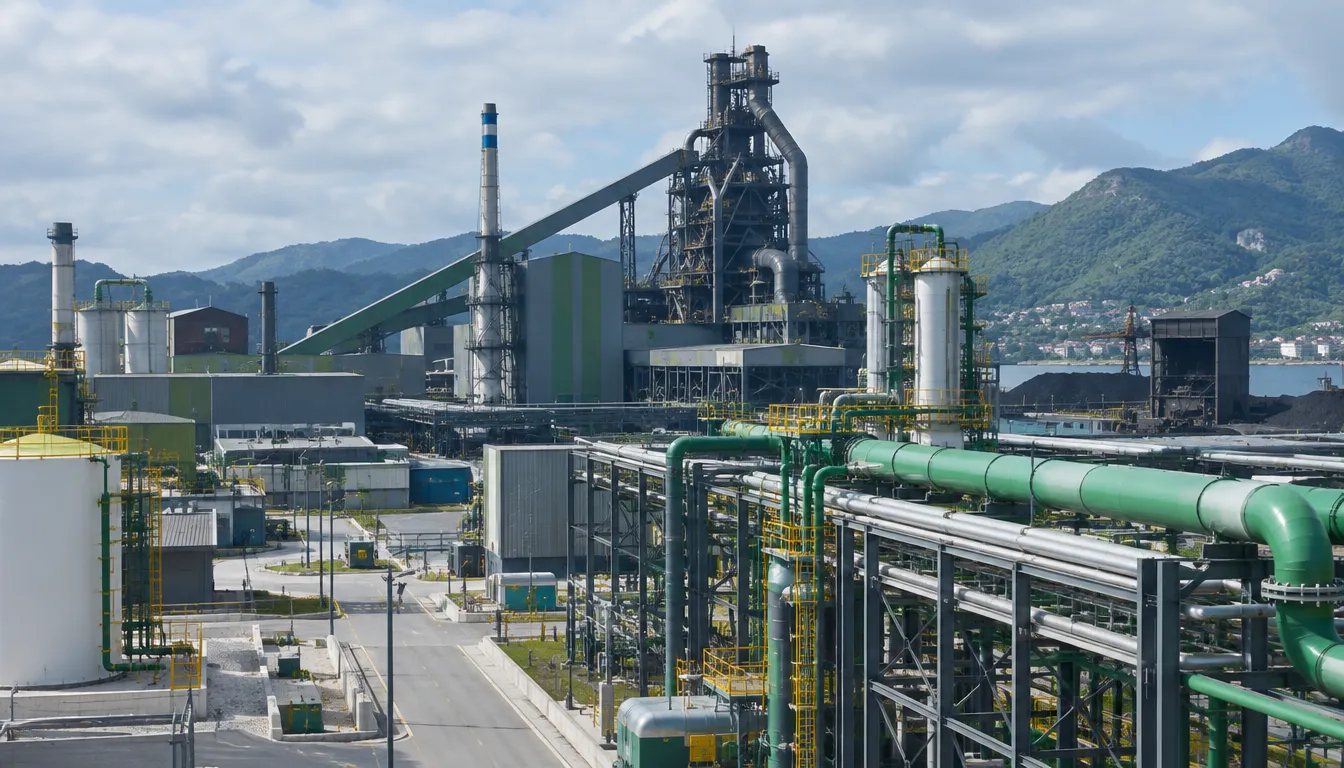
Energy group Moeve and steelmaker ArcelorMittal have set up an equal-share green steel platform to bring green hydrogen, biomethane and other low-carbon fuels into steelmaking, backed by Asturias agency Sekuens.
Spanish energy group Moeve and steelmaker ArcelorMittal have formed a joint innovation platform to speed the shift to green steel, in a partnership announced on 9 September. The equal-share venture operates under a framework the two companies call Green Molecules to Green Steel, or G2G, and will build a dedicated technology platform aimed at making green steel commercially viable.
Moeve, the Spanish energy group formerly known as Cepsa, and ArcelorMittal, the Luxembourg-headquartered group that is the world’s second-largest steelmaker, are among the larger industrial players in their respective sectors in Europe. The new platform pools their research capabilities to scale up the use of green hydrogen, biomethane, biogas and second-generation biofuels in steelmaking operations, fuels the companies see as central routes to cutting emissions from processes that are otherwise hard to electrify.
Steelmaking is one of the hardest industrial sectors to decarbonise, because conventional blast furnaces rely on coking coal to strip oxygen from iron ore. Green steel routes across Europe swap that coal for hydrogen-based direct reduction, or add carbon capture to existing plants, though high costs and thin fuel supply have slowed rollout at commercial scale.
Public money sits alongside the two companies’ own capital in the new venture. Sekuens, the regional innovation agency for Asturias in northern Spain, is backing the initiative, which will also develop carbon capture technologies, biotechnological processes and artificial intelligence models for advanced materials.
The platform is designed as an open innovation hub. It will work with universities, technology centres and start-ups, the companies said, with the aim of sharpening industrial competitiveness while supporting Europe’s wider energy transition.
Pinakin Chaubal, vice president and chief technology officer at ArcelorMittal, said: “Given the complexity of the challenge, we cannot tackle it alone. Now more than ever, we must focus on collaborative innovation models, and this platform is an excellent example of this. We need to continue exploring technologies that enable production to be sustainable from both an environmental and an economic perspective, and to do so as soon as possible.”
Maarten Wetselaar, chief executive of Moeve, said the partnership “strengthens the collaboration between two global groups committed to innovation, decarbonisation and Europe’s competitiveness.” He added that the initiative would let the two companies develop new solutions and make progress towards “greater European energy independence,” calling it part of the direction Moeve is taking through investment in the energy transition.
The partnership adds to a broader push by European steelmakers to line up low-carbon fuel supplies as the sector faces tightening scrutiny under the EU’s carbon pricing rules. Steel producers selling into the bloc are being drawn gradually into the EU Emissions Trading System’s phase-out of free carbon allowances, alongside the Carbon Border Adjustment Mechanism (CBAM), which is designed to charge imported steel for its embedded emissions. Both measures raise the commercial case for green steel production routes.
Demand for certified green steel is also building from buyers further down the supply chain, including carmakers and construction firms under pressure to report the embedded emissions in their own products. Spain is becoming one of the more active European markets for the technology, with state co-investment backing the Hydnum green steel plant in August. A platform that can prove out cheaper green hydrogen and biomethane supply chains would help address one of the main cost barriers holding back that shift.
Neither company gave a timeline for when the platform’s first projects will reach commercial operation, or disclosed the scale of the capital each partner is committing.
